 |
 |
 |
 |
 |
 |
 |
 |
 |
 |
 |
 |
 |
 |
 |
 |
 |
 |
 |
 |
 |
 |
 |
 |
 |
 |
 |
The summer that the coronavirus arrived in the U.S. my wife was diagnosed with what was in all likelihood terminal cancer.
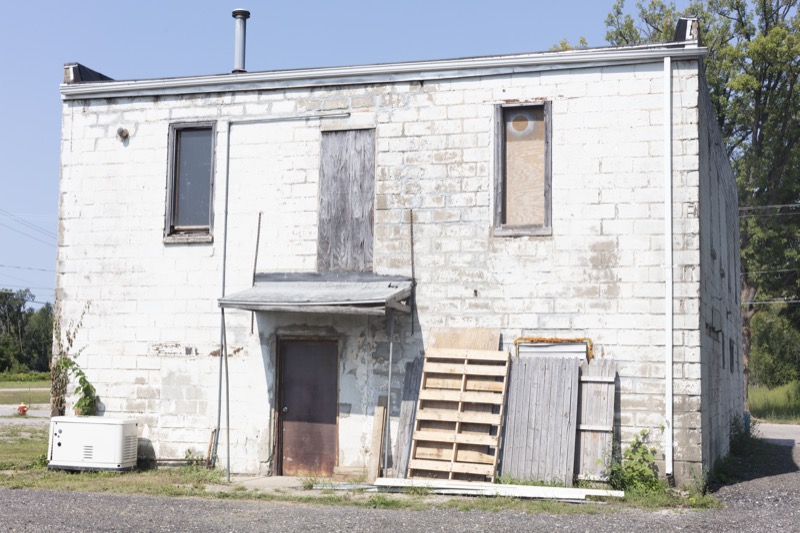
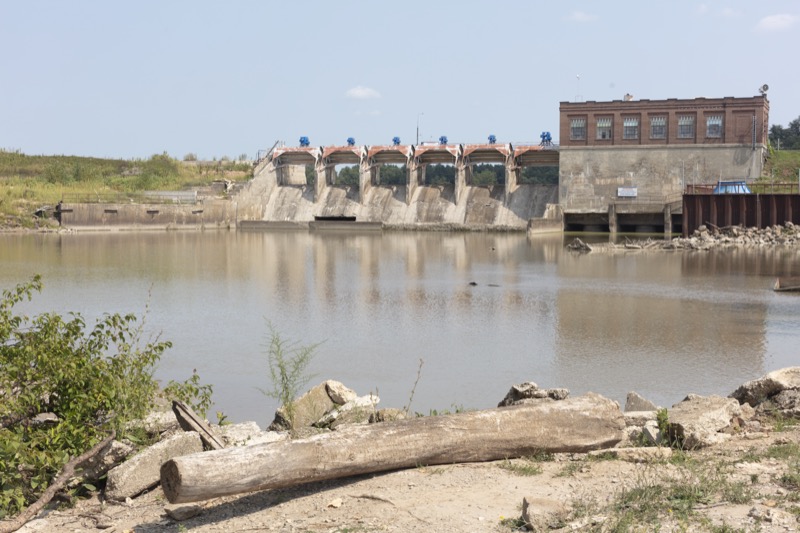
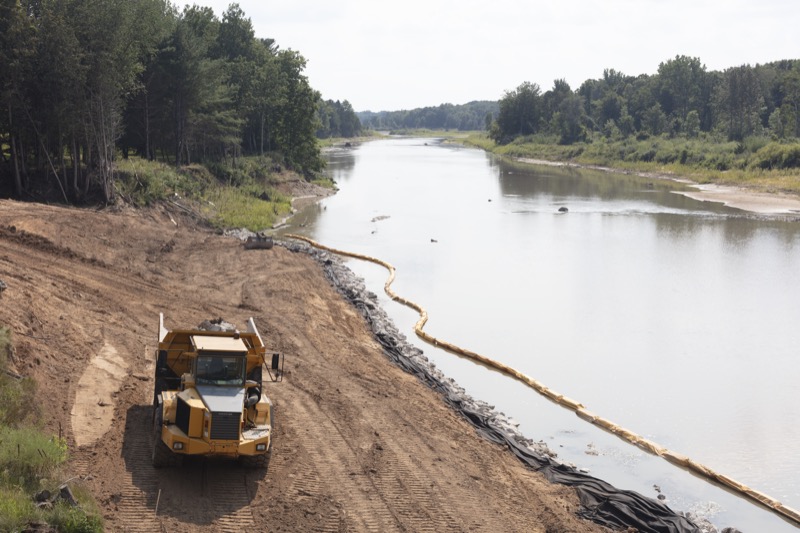
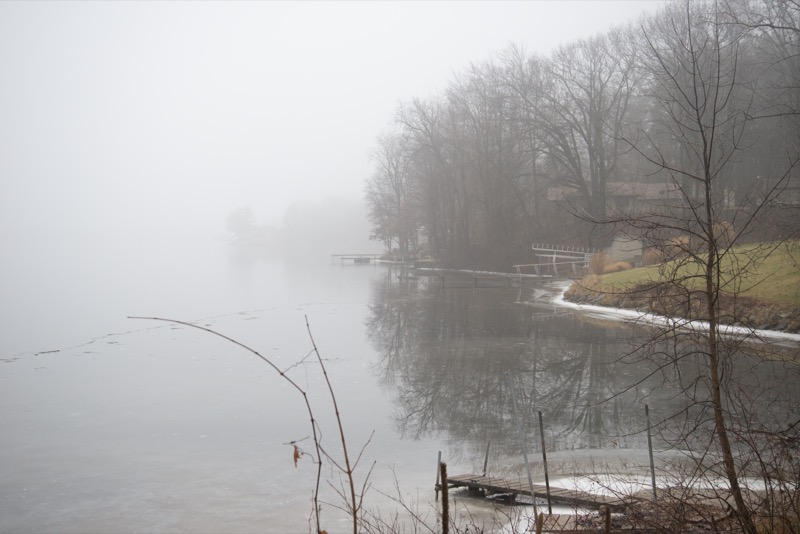
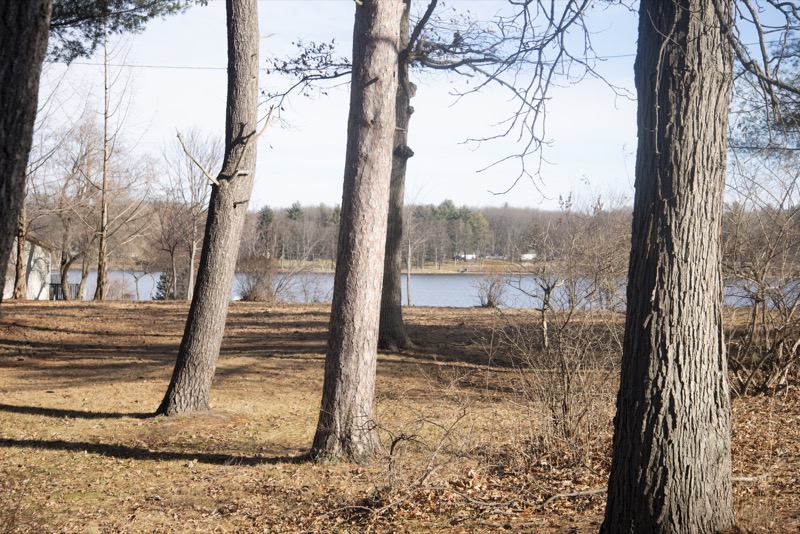
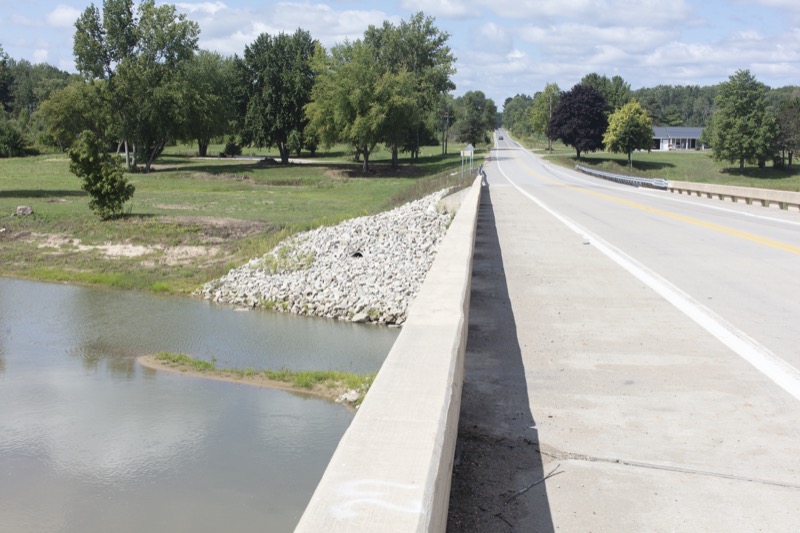
A couple of weeks later, the dams on either side of my parents' house in Michigan collapsed, causing the lake they live on to go downstream and destroy most of the town.
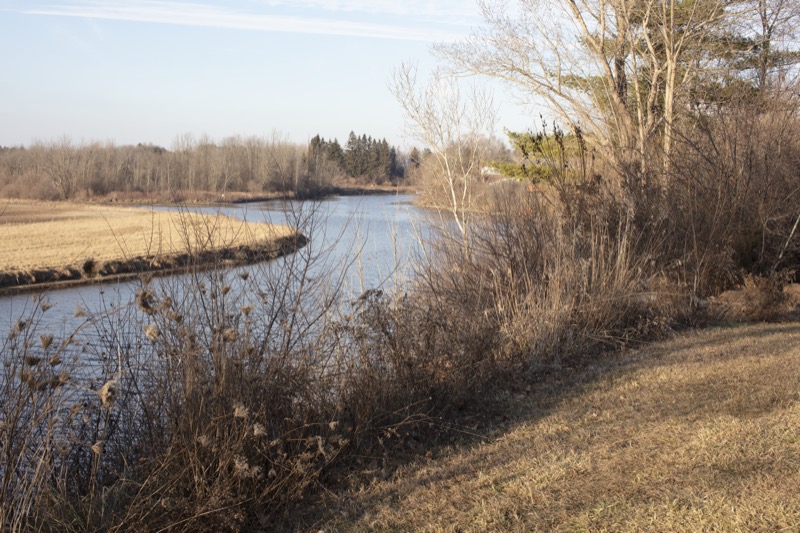
The absence of water that followed the rupture posed questions about whether the dams should be rebuilt at all or whether the river should be allowed to be a river. The prairie that grew in the lake's place was beautiful in its own right, but of course the financial interests tied up in bringing the lake back made the 'undammed' approach unlikely.
It's hard to overstate the effect the confluence of these three events had on my sense of reality. It made my wife's illness feel that much less possible, like the entire fabric of reality, or the above-power in which we never believed, were all conspiring, and that in the face of these disasters there was nothing to do but just let the current take us. Still, for a while we held on to the hope that we could find a cure and that she would miraculously recover.
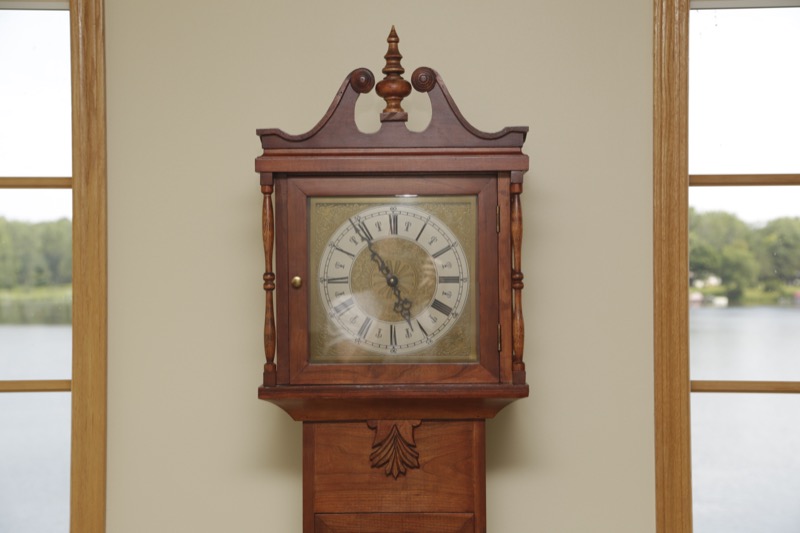
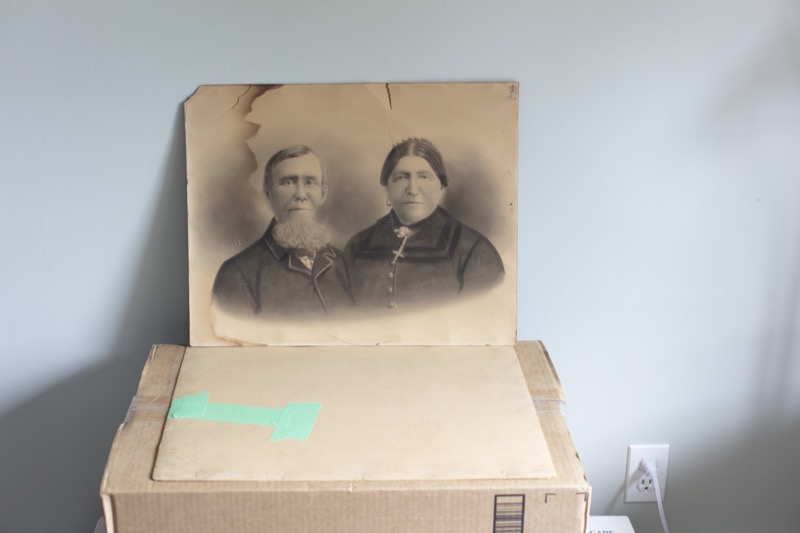
The flood allowed for a certain preoccupation with materials and metaphor. It also revealed many relics and reminders of previous days, which fit into my dad's local history wheelhouse.
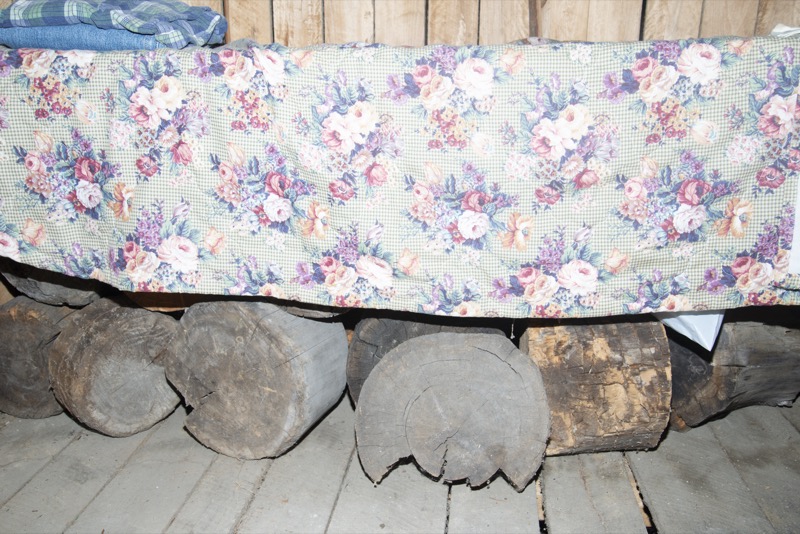
Walking around the barren expanse of the lakebed one day, he discovered a 150+ year-old log, which he unearthed from the sludge. It had a letter 'J' stamped on the end (my wife's first initial), left by the logging crews that clear-cut the forests and used the river to move the lumber downstream (and in doing so also established the outlines of the village).
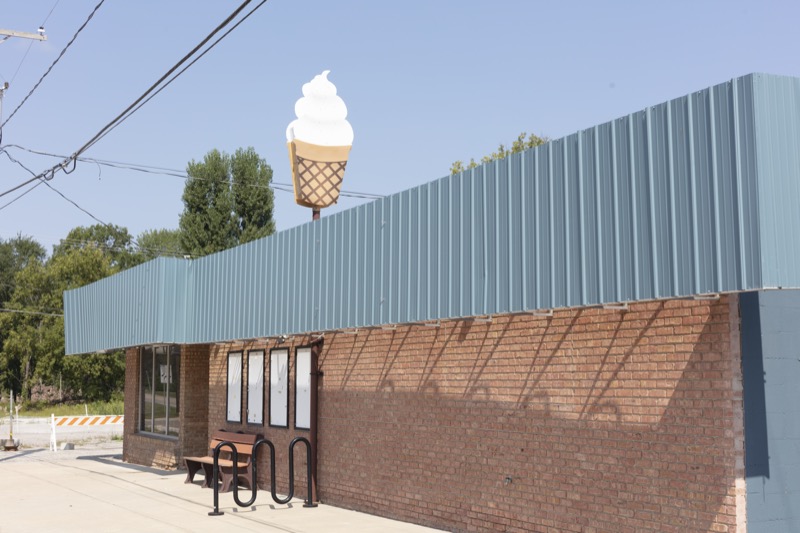
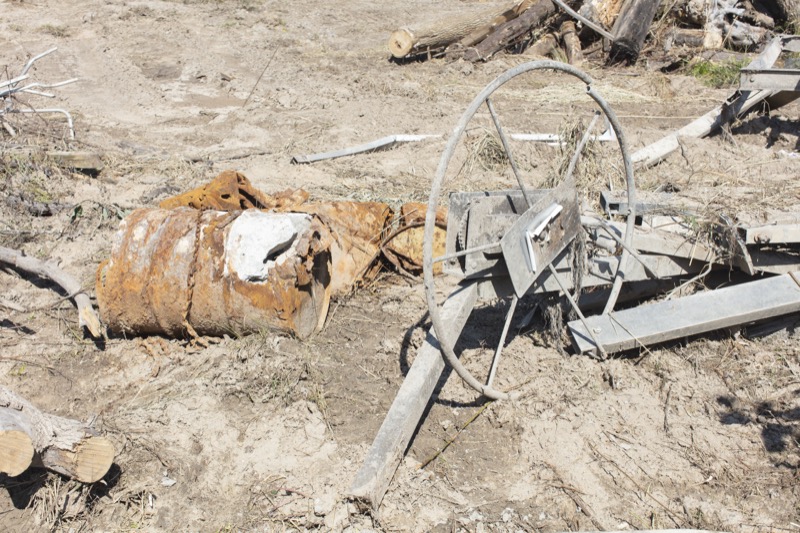
Like everything else (the dread and denial), the buried and unseen aspects of the impoundment were revealed in the wake of the events. Remnants of my dad's childhood re-appeared, including the checkerboard floor of the old ice cream parlor.
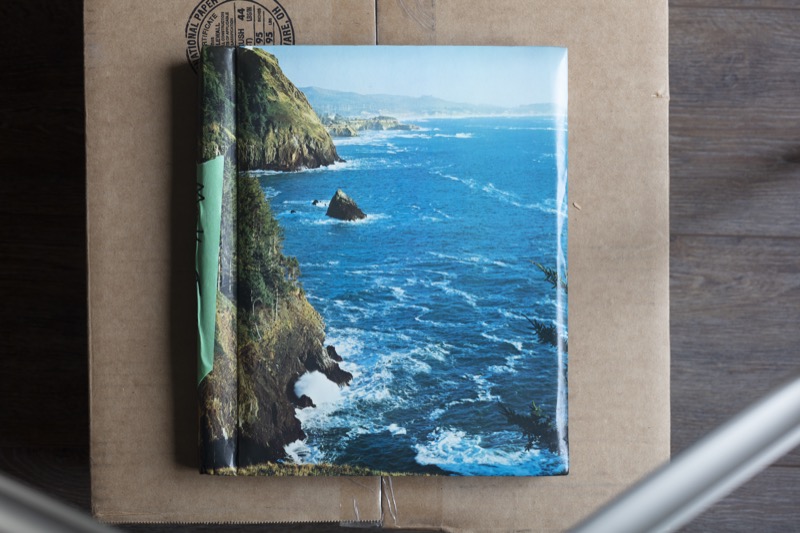
Knowing that I wanted to be photographing the process, seeking the metaphor and needing to record the moment, but also happily taking the opportunity to work on something together, Dad started photographing the wreckage and sending me reports on his findings. These are compiled in a separate booklet called Impounded.
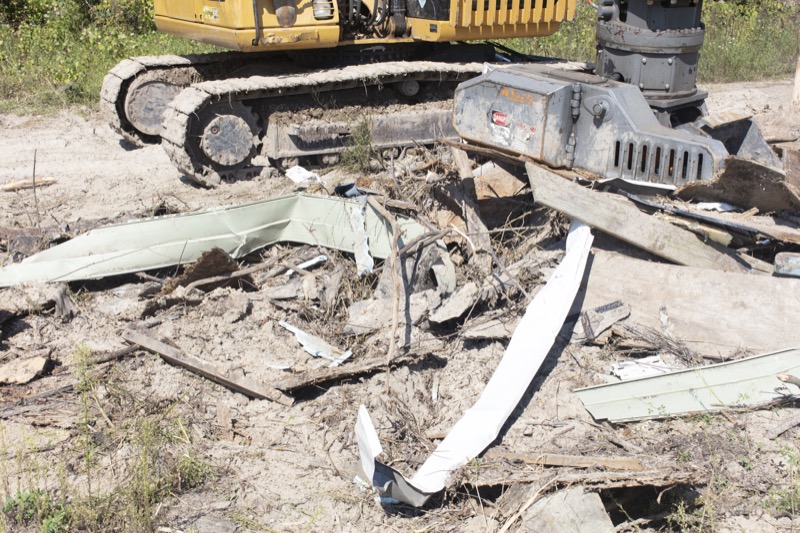
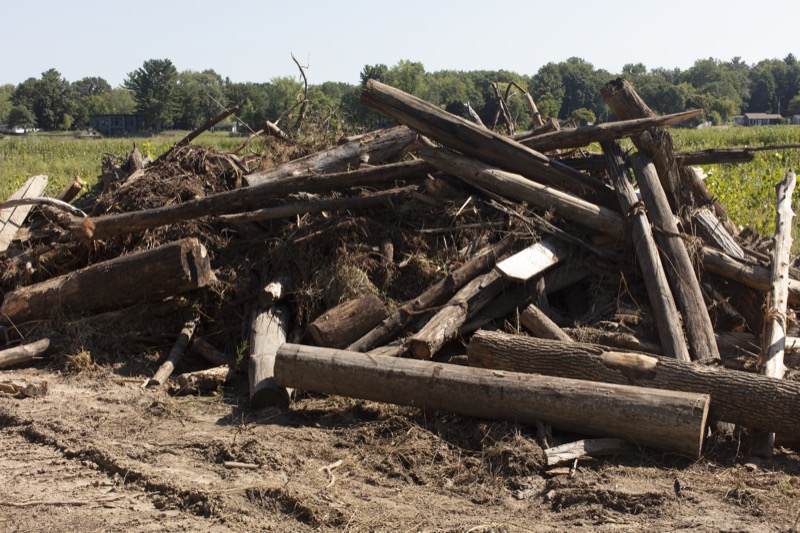
My photographs span more than ten years, from before and after the flood event. I had been photographing over the years, wondering where this project was going. Now it feels like the images are defined by this two year period when I had to stay away, and by how incomprehensibly different it was when I did return. Debris from houses was collected in piles. The height of the grass on what used to be the lake was a measure of how long I'd been away.
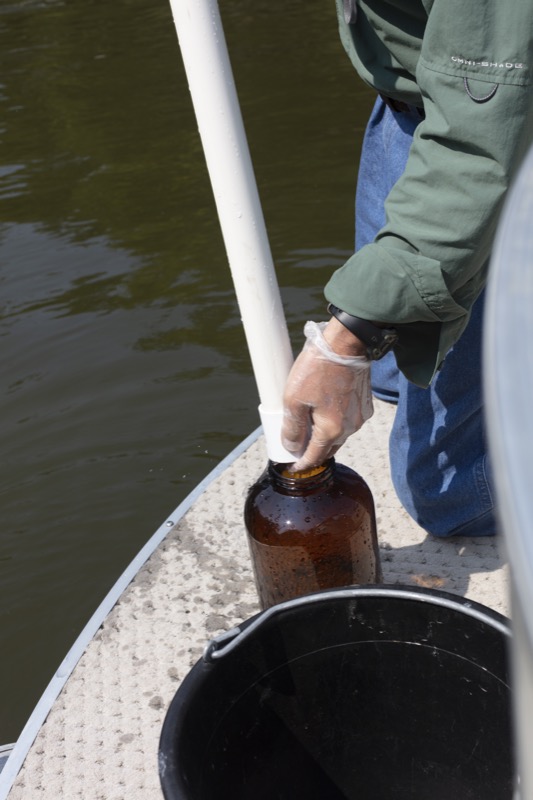
My dad was for some years the director of water quality for the lake association and spent much of his time testing for oxygen at different depths and temperatures, offering scientific perspective on decisions relating to algae, climate change, and recreation.